
Ball Screw Preload Adjustment Guide for Reducing Backlash

In high-precision applications, backlash can lead to significant errors in positioning and motion control. For engineers and buyers in industries such as CNC machining, robotics, and automation, managing backlash is a critical concern. This guide offers insights into ball screw preload adjustments, which can effectively reduce backlash and improve system performance.
Backlash refers to the slight movement that occurs between the ball screw and its nut when the direction of rotation changes. This phenomenon can compromise accuracy, especially in applications requiring high precision, such as aerospace and medical devices. One effective way to minimize this backlash is through proper preload adjustment of the ball screw assembly.
Preload is the intentional application of axial load on the ball screw nut. By adjusting the preload, engineers can eliminate the gaps between the balls and the races, thereby reducing or completely eliminating backlash. There are two common methods to apply preload: using a tensioning mechanism or selecting a nut with a specific preload setting. The tensioning mechanism involves applying a force to compress the nut against the screw, while the latter method utilizes specially designed nuts that maintain a certain level of load even when not in motion.
When determining the appropriate preload, several factors must be considered, including the application requirements, load conditions, and the desired level of stiffness. A higher preload generally provides better stiffness and reduced backlash, but it can also lead to increased friction and wear on the components. Therefore, balancing these factors is crucial for optimal performance.
In practical applications, preload adjustments can be crucial for maintaining accuracy in CNC machines, where even minor inaccuracies can lead to costly errors. For instance, in a multi-axis CNC router, the precision of the tool path is directly affected by the level of backlash. By implementing proper preload techniques, manufacturers can enhance the router's performance, ensuring high-quality output and reducing scrap rates.
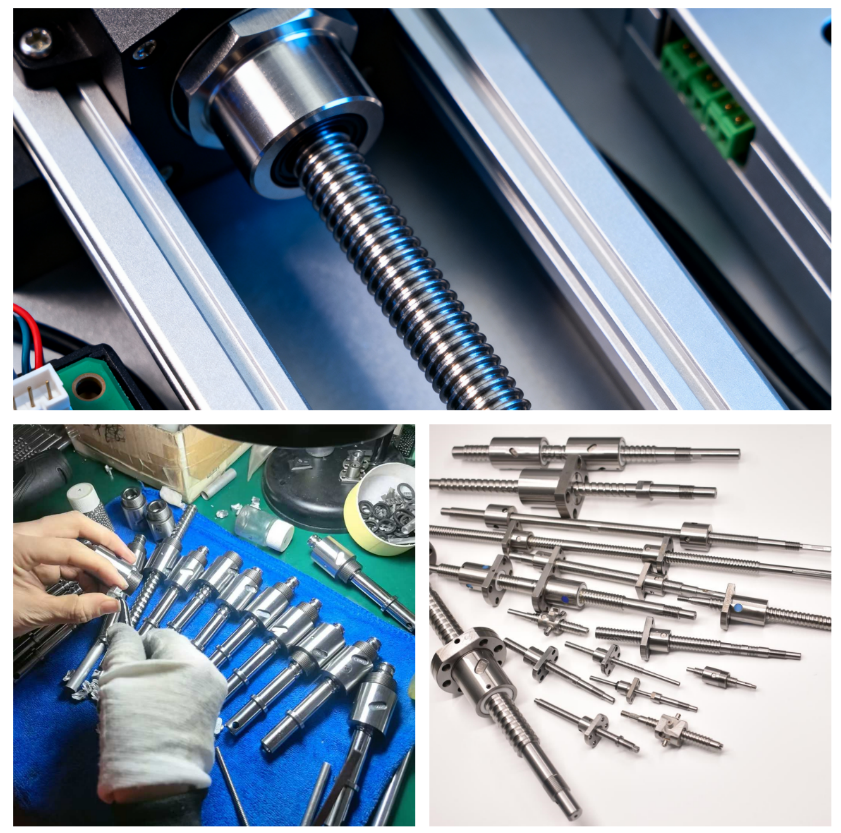
WY Precision specializes in providing high-quality ball screws with customizable preload options, ideal for various applications including automation and robotics. Our engineering team can assist in selecting the right preload configuration to meet your specific needs, ensuring that your systems operate with optimal efficiency and precision.
Frequently Asked Questions
1. How do I know if my ball screw has excessive backlash?Excessive backlash can typically be identified through testing. If you notice a delay in motion or difficulty in maintaining position during operation, it may indicate that your ball screw requires adjustment.
2. What is the ideal preload for my application?The ideal preload depends on various factors including load type, application speed, and precision requirements. Consulting with an engineering partner can help determine the best preload setting.
3. Can preload adjustments be made on-site?Yes, preload adjustments can often be performed on-site, but it requires careful measurement and understanding of the ball screw assembly to avoid overloading or damaging components.
4. How often should I check the preload on my ball screws?It is advisable to check the preload during routine maintenance intervals or whenever you notice changes in performance, such as increased backlash or reduced accuracy.
If you're looking to enhance the precision of your applications with effective preload adjustments, contact WY Precision today to discuss your requirements and explore our tailored solutions.


Comments