
Key Considerations for Selecting Miniature Ball Screws in Medical Devices

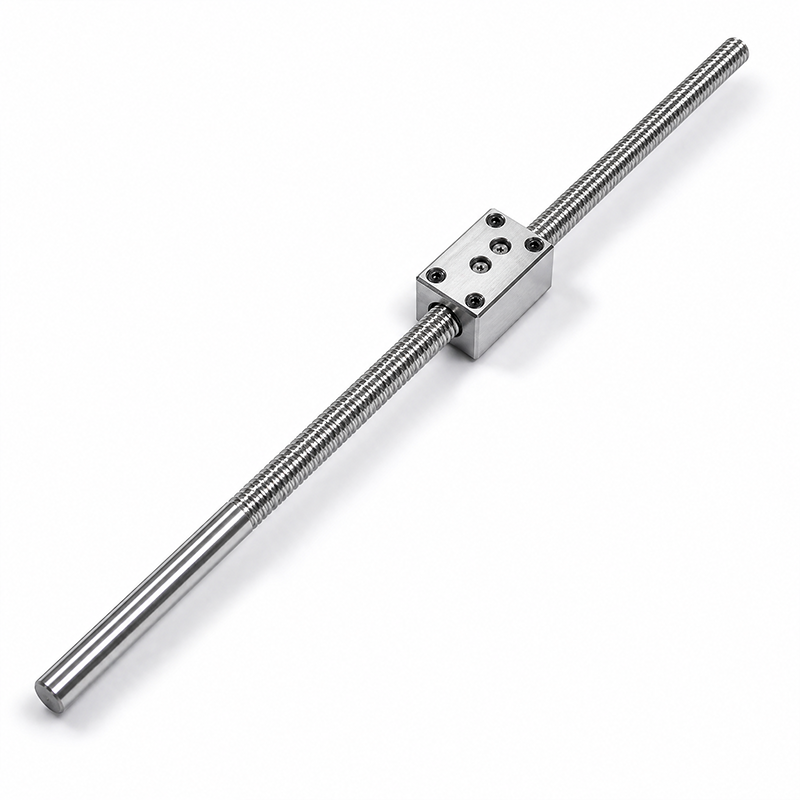
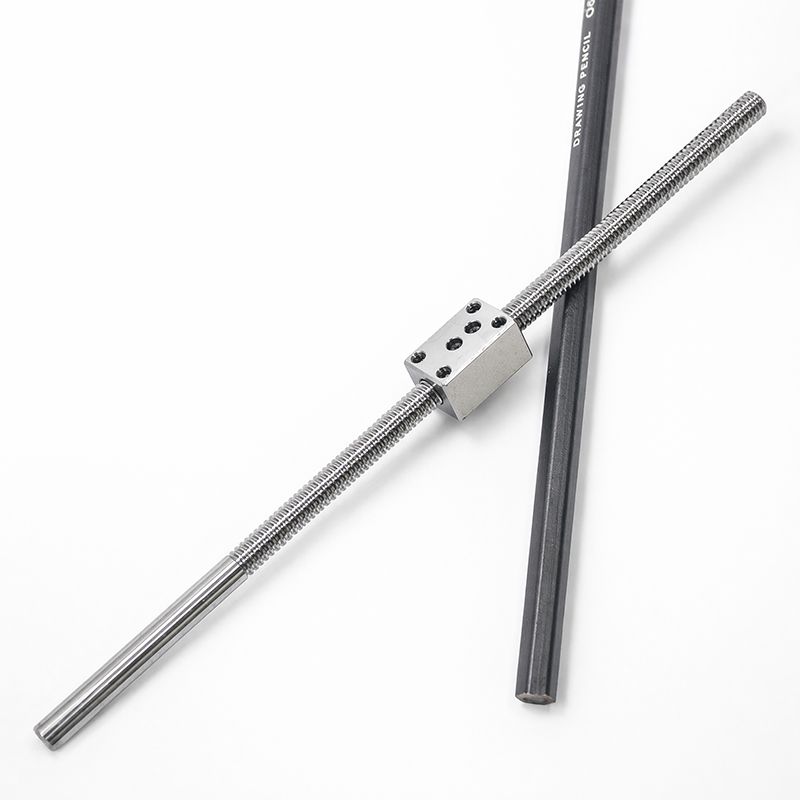
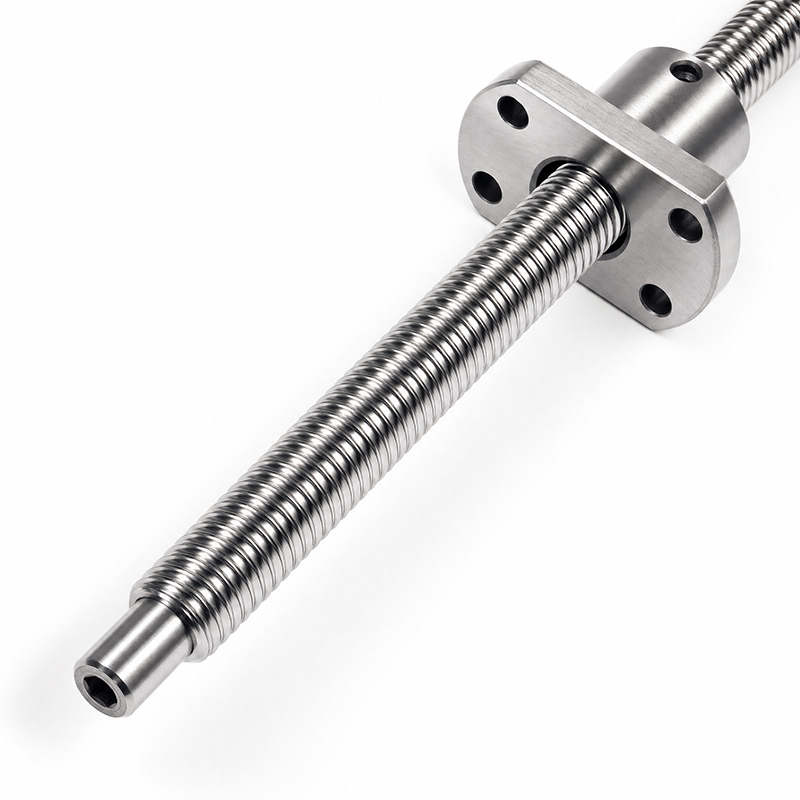
When designing medical devices, engineers face numerous challenges in selecting components that ensure precision, reliability, and compactness. Miniature ball screws are increasingly favored for their ability to provide accurate linear motion in tight spaces. However, choosing the right miniature ball screw involves understanding specific criteria related to load capacity, accuracy, and environmental factors.
One critical consideration is the load capacity of the miniature ball screw. Medical applications often require components to handle dynamic loads while maintaining precise positioning. Engineers must evaluate the load ratings provided by suppliers, such as WY Precision, to ensure the ball screw can support the intended weight and operational demands without compromising performance.
Another key aspect is the accuracy required for the application. Miniature ball screws are available in various precision grades, affecting their ability to perform in high-stakes environments like surgical instruments or diagnostic equipment. Selecting the appropriate grade based on the application's tolerance requirements is vital for achieving desired outcomes.
Finally, the environmental conditions in which the ball screws will operate must be assessed. Factors such as temperature, humidity, and exposure to cleaning agents can impact the materials used in the ball screws. Opting for corrosion-resistant materials or lubricants can extend the lifespan and reliability of the assembly in medical settings.
In summary, selecting the right miniature ball screw for medical devices requires careful consideration of load capacity, accuracy, and environmental factors. Partnering with a reliable supplier like WY Precision can provide the necessary expertise and product options to meet these stringent requirements.
Comments