
advanced ball screw selection for precision automation applications

In the fast-evolving landscape of automation, selecting the right ball screw is crucial for achieving optimal performance in precision machinery. With diverse applications ranging from robotics to CNC machining, engineers face the challenge of ensuring their systems operate with maximum efficiency and accuracy. The complexity increases with factors such as load requirements, speed, and thermal conditions, necessitating a thorough understanding of ball screw characteristics.
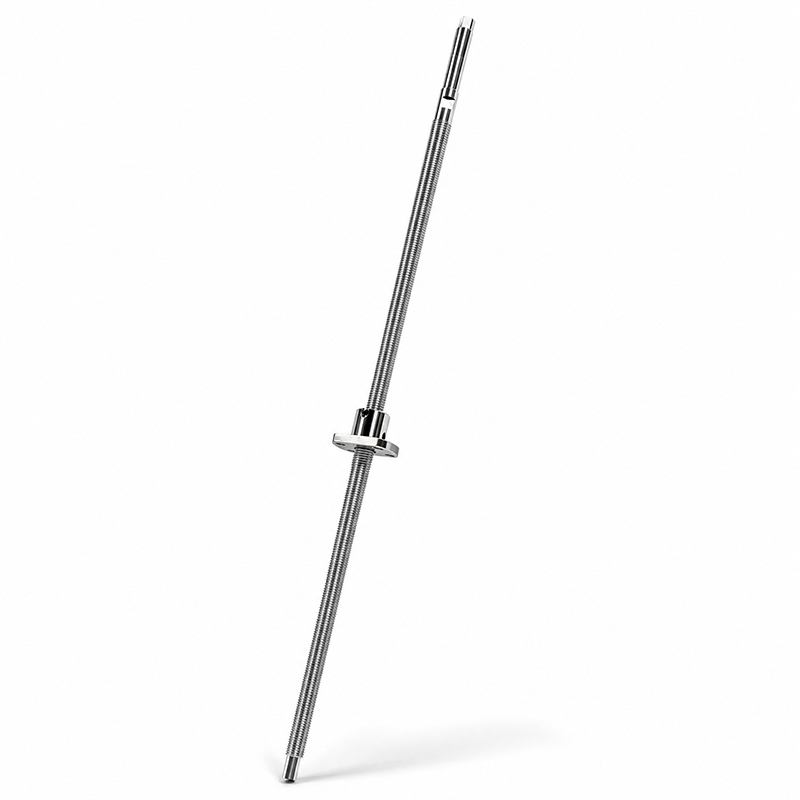
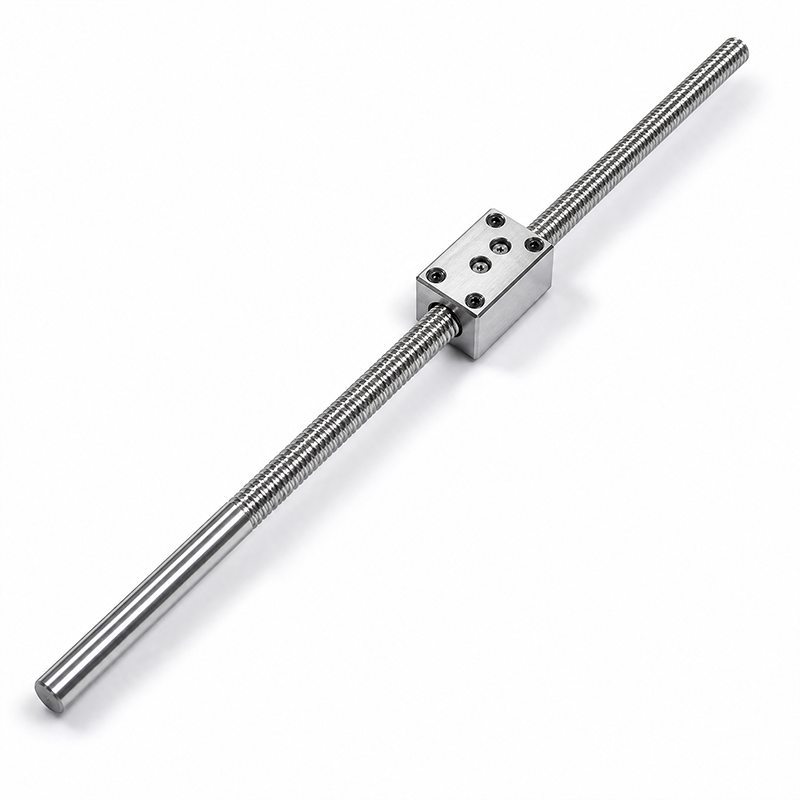
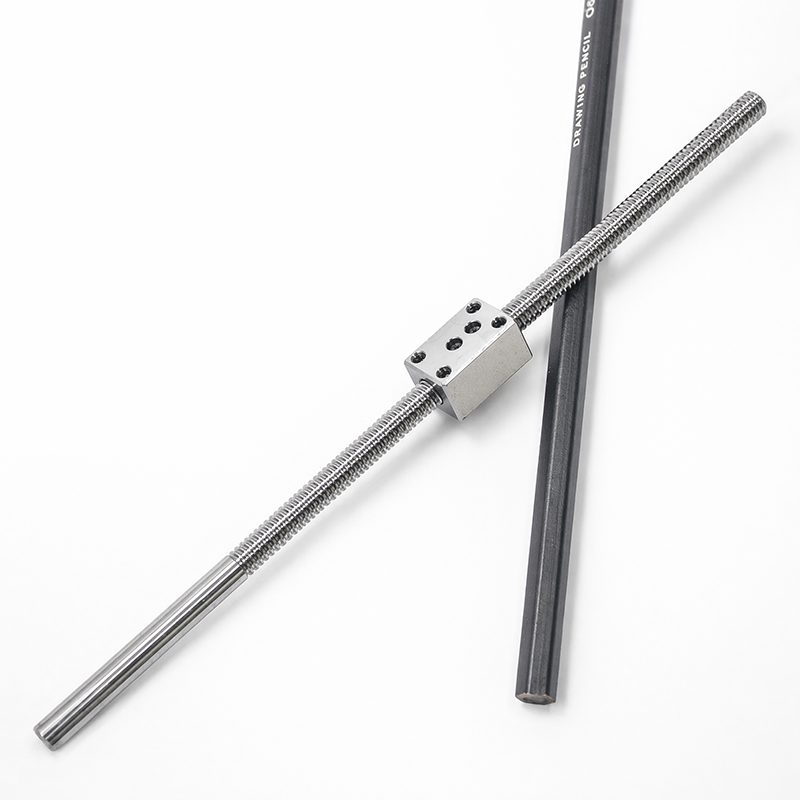
The foundation of effective ball screw selection lies in understanding the specific needs of the application. Different types of ball screws, including ground and rolled variants, offer distinct advantages in terms of accuracy and cost-effectiveness. Ground ball screws are typically preferred for high-precision applications due to their tighter tolerances, while rolled ball screws provide a more economical solution for less demanding environments. It is essential to evaluate these options based on the required load capacity and operational speed, as each application may impose different constraints.
Another key consideration is the effective lubrication and maintenance of ball screws to ensure longevity and consistent performance. Regular lubrication reduces friction, which is vital in preventing wear and tear, especially in high-load scenarios. Engineers must also factor in environmental conditions such as temperature and particulate contamination, which can significantly affect the lifespan and performance of the ball screw. Utilizing effective sealing solutions can help mitigate these risks.
engineering analysis
When analyzing ball screws for precision automation, engineers must consider several critical parameters. Load ratings are vital for ensuring that the selected ball screw can handle the specific loads encountered in the application without failure. This involves not only the static load rating but also the dynamic load rating, which is crucial for applications involving movement. Moreover, the speed of operation greatly influences the thermal generation within the ball screw assembly, and managing this heat is essential for preventing premature failure.
Another technical aspect is the calculation of the pitch and lead of the ball screw, which directly affects the speed and accuracy of the linear motion. Higher lead ball screws allow for faster movement but can compromise precision, making it essential to strike a balance based on operational needs. Additionally, preload adjustments are often implemented to minimize backlash and enhance positioning accuracy, especially in applications requiring high precision.
application
In the realm of precision automation, ball screws are utilized across various sectors, including semiconductor manufacturing, medical devices, and aerospace. For instance, in semiconductor equipment, the need for clean motion and precise positioning is critical, making high-quality ball screws a necessity. Similarly, in medical device manufacturing, where precision and reliability are paramount, engineers must select ball screws that meet stringent regulatory requirements while ensuring functionality.
Furthermore, in robotics, the ability to achieve rapid and accurate movements is essential for enhancing productivity. Here, the choice between ground and rolled ball screws will heavily depend on the specific robotic application, whether it involves delicate assembly tasks or heavy-duty material handling. The adaptability of ball screws ensures they can be tailored to meet the unique demands of each application, making them a versatile solution in automation.
selection/checklist
To streamline the selection process for ball screws in precision automation applications, engineers should consider the following checklist:
Define the application requirements including load capacity, speed, and precision needs.
Choose between ground or rolled ball screws based on accuracy and budget constraints.
Calculate the necessary dynamic and static load ratings.
Evaluate lubrication and maintenance needs to ensure longevity.
Consider environmental factors that may affect performance.
Implement preload adjustments to minimize backlash if necessary.
By methodically addressing these factors, engineers can ensure they choose the right ball screw tailored to their specific application, leading to improved performance and reliability in their systems. Partnering with a trusted supplier like WY Precision can further enhance the selection process, providing access to high-quality ball screws designed for precision automation.
If you are looking to optimize your precision automation applications, consider the expertise and products offered by WY Precision. Our team is ready to assist you in selecting the ideal ball screw solution that meets your operational demands.
Comments