
Choosing the Right Miniature Ball Screws for Medical Device Applications

In the medical device industry, precision and reliability are paramount. Selecting the appropriate miniature ball screw can significantly impact the performance and accuracy of devices such as surgical robots, diagnostic equipment, and implantable devices. Engineers face the challenge of balancing size constraints with the need for high load capacity, repeatability, and durability.
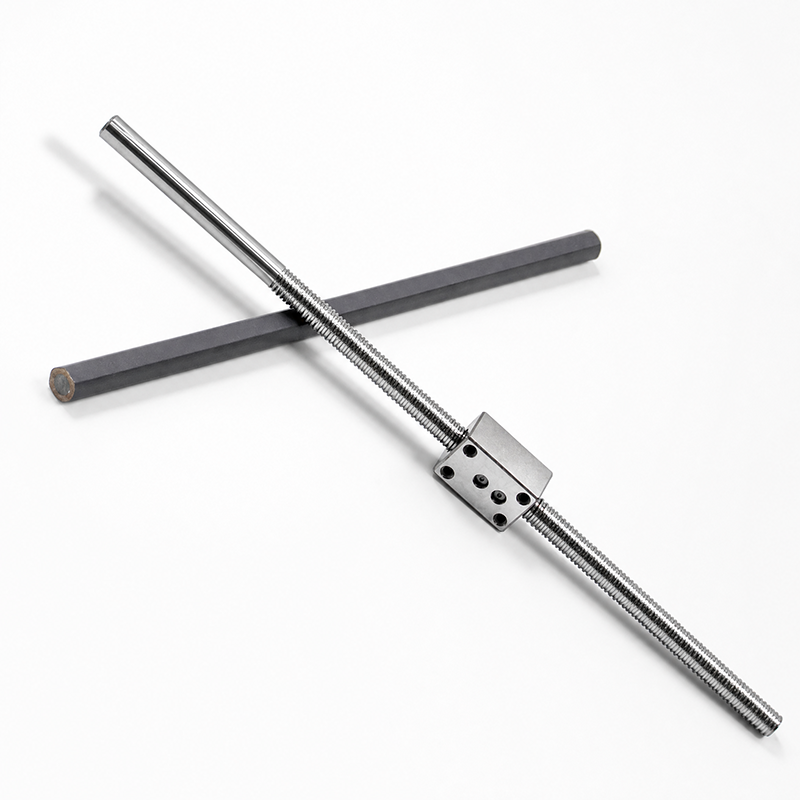
Miniature ball screws are designed to provide optimal linear motion in confined spaces. Their compact design allows for integration into small devices while maintaining the necessary performance characteristics. When choosing a miniature ball screw, it is essential to consider factors such as lead accuracy, preload settings, and the materials used in their construction. These elements directly influence the screw's efficiency, backlash, and overall lifespan.
Load capacity is a critical factor when selecting ball screws for medical applications. The load calculations should account for dynamic and static loads, as well as the intended duty cycle of the device. Additionally, the choice between ground and rolled ball screws can affect both cost and performance. Ground ball screws offer higher accuracy and better surface finishes, making them suitable for high-precision applications, while rolled ball screws provide a more economical option for less demanding tasks. By understanding these factors, engineers can make informed decisions that enhance the functionality and reliability of medical devices.
Comments