
Selecting Miniature Ball Screws for Medical Device Applications

In the medical device industry, precision and reliability are paramount. Selecting the appropriate miniature ball screws can significantly impact the performance and accuracy of devices such as surgical instruments and diagnostic equipment. Due to the compact nature of these devices, engineers face unique challenges in ensuring that the selected ball screws provide the necessary load capacity while maintaining high precision and minimal backlash.
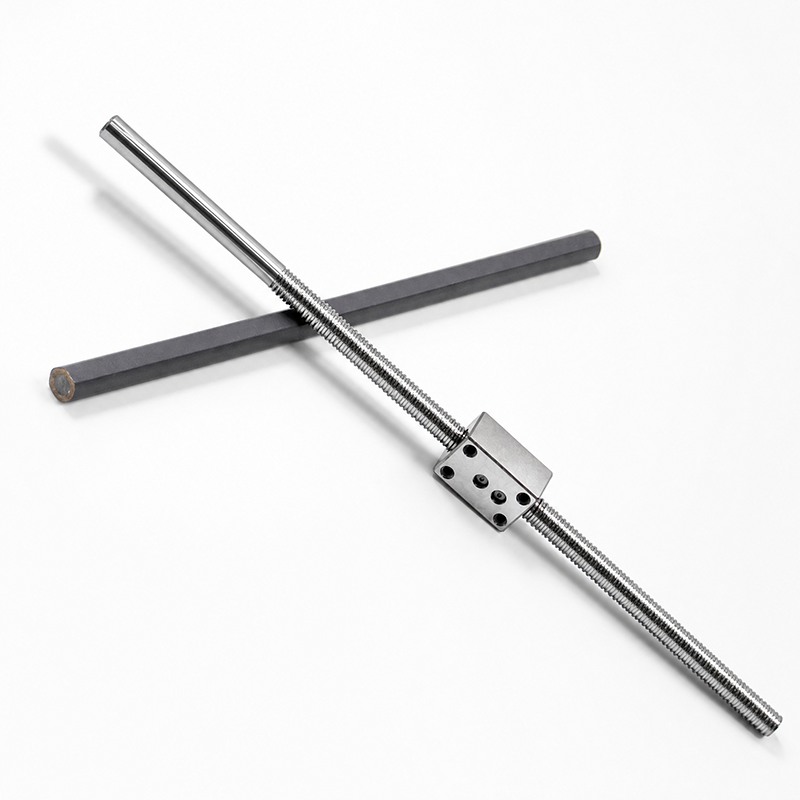
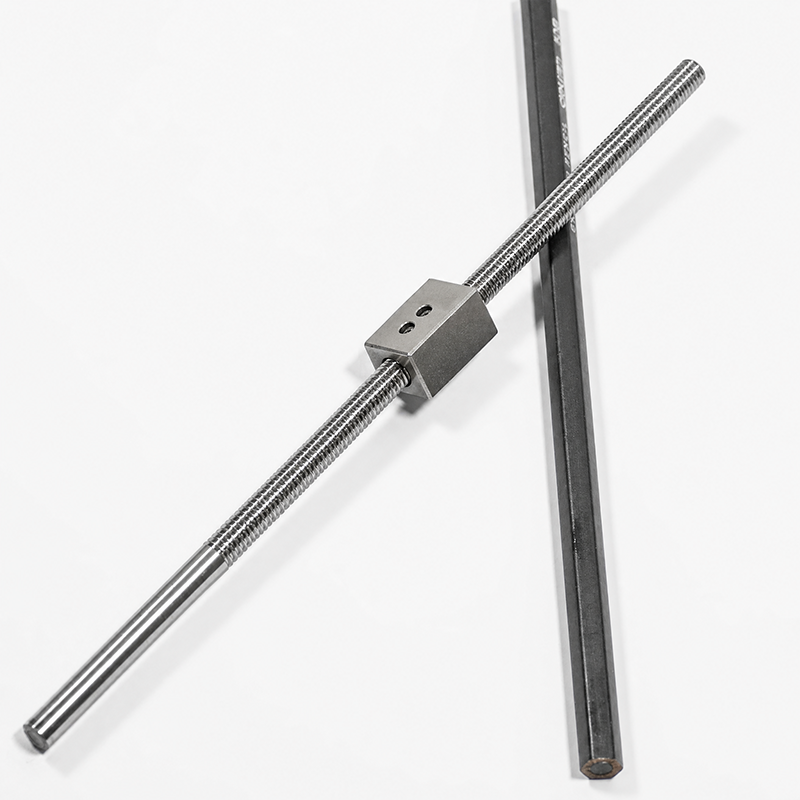
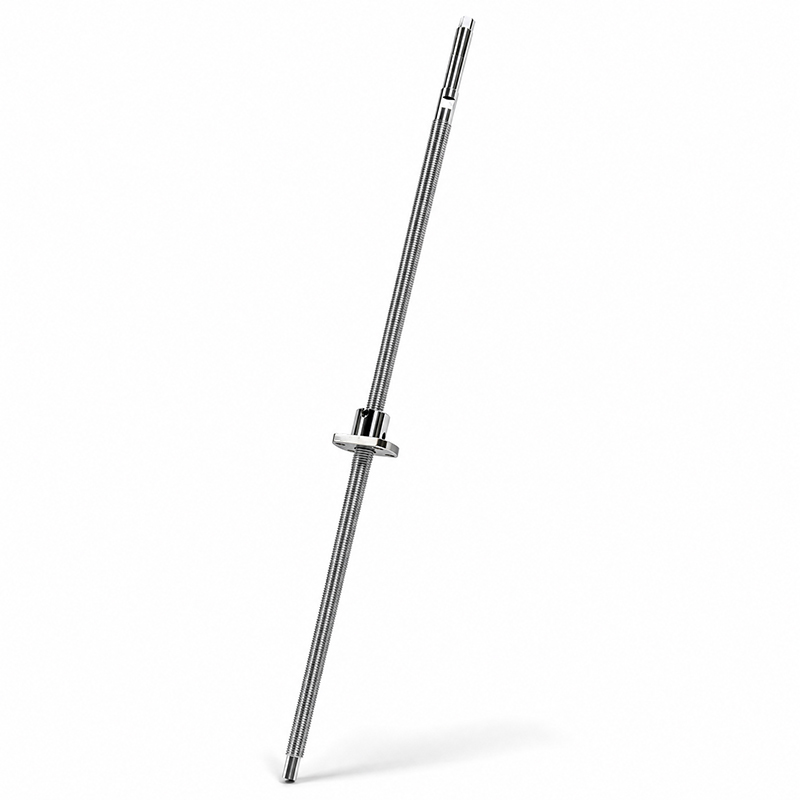
Miniature ball screws are designed to meet stringent space constraints without compromising on performance. They are typically constructed from high-quality materials such as stainless steel or aluminum, which contribute to their durability and resistance to corrosion. When choosing a miniature ball screw, it is essential to consider factors such as the lead accuracy, load ratings, and the type of nut used. For medical applications, a preloaded ball screw configuration may also be beneficial to reduce backlash and enhance positioning accuracy.
Additionally, the lubrication method used in miniature ball screws is critical to the maintenance of their performance over time. Grease is commonly used for its ability to withstand high loads, while oil offers better performance in terms of speed. Regular maintenance schedules should be established to ensure that lubrication levels remain optimal, thus extending the service life of the ball screw. Partnering with a trusted supplier such as WY Precision can provide engineers with access to high-quality miniature ball screws tailored for medical applications.
Comments