
High-Load Ball Screws for Automation and Robotics: Key Considerations

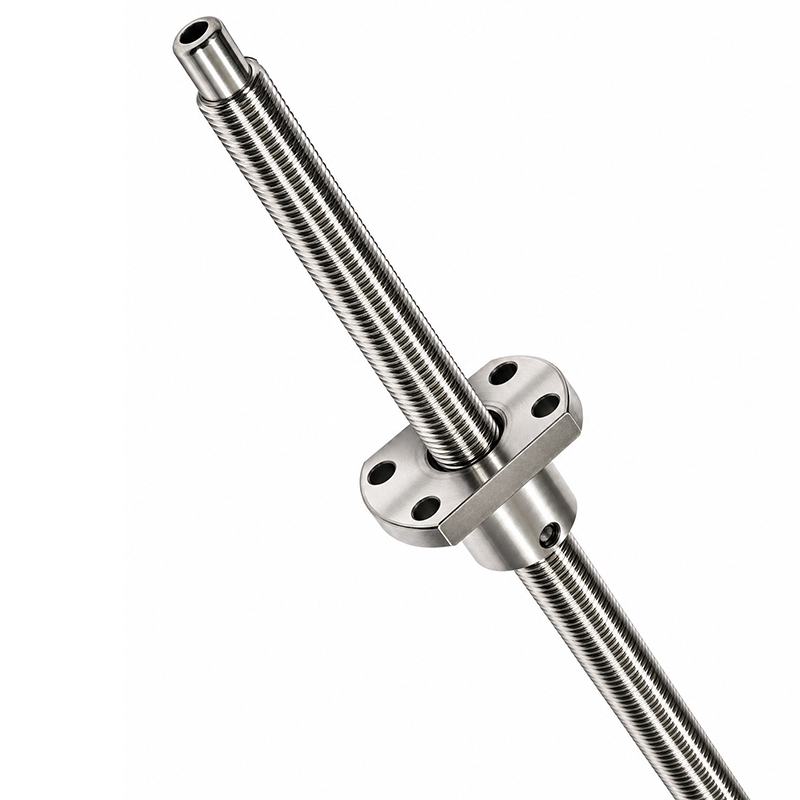
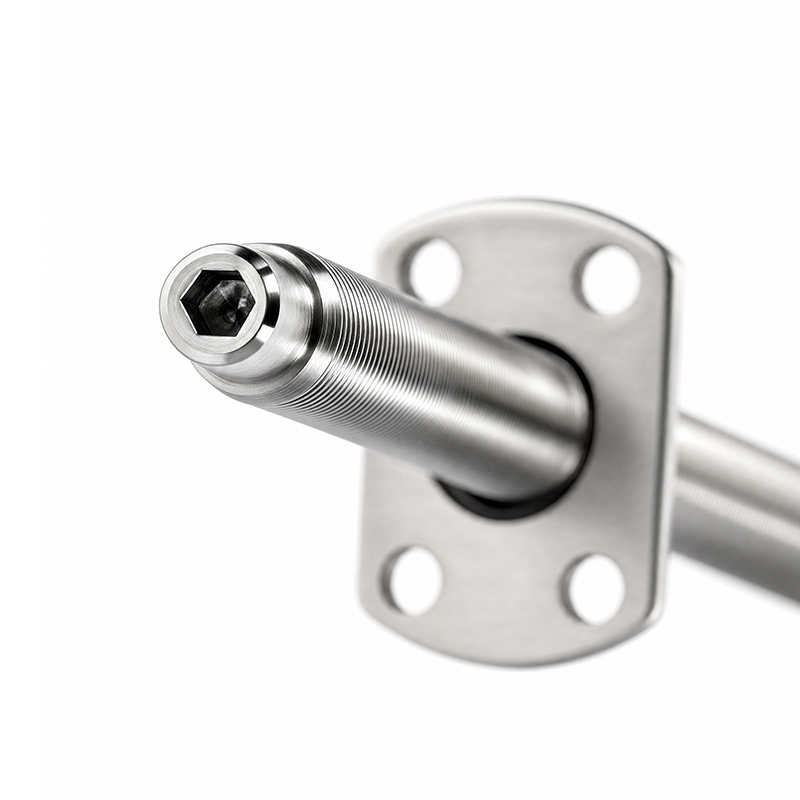
In the rapidly evolving landscape of automation and robotics, selecting the right components is crucial for achieving optimal performance. High-load ball screws play a significant role in ensuring precision and reliability in these applications. Engineers often face challenges in choosing the appropriate ball screw to meet specific load requirements while maintaining efficiency.
The primary consideration when selecting high-load ball screws is the load capacity. It is essential to calculate the dynamic and static load ratings based on the application's requirements. Factors such as axial loads, radial loads, and moments must be taken into account to ensure that the ball screw can handle the operational demands without compromising performance or safety.
Another critical factor is the choice between ground and rolled ball screws. Ground ball screws generally offer higher precision and better tolerances, making them suitable for high-speed applications. In contrast, rolled ball screws are often more cost-effective and can handle high loads effectively, making them ideal for various automation tasks. Understanding the trade-offs between these two options allows engineers to make informed decisions based on their specific application needs.

Comments