
How to Properly Lubricate Ball Screws for Optimal Performance

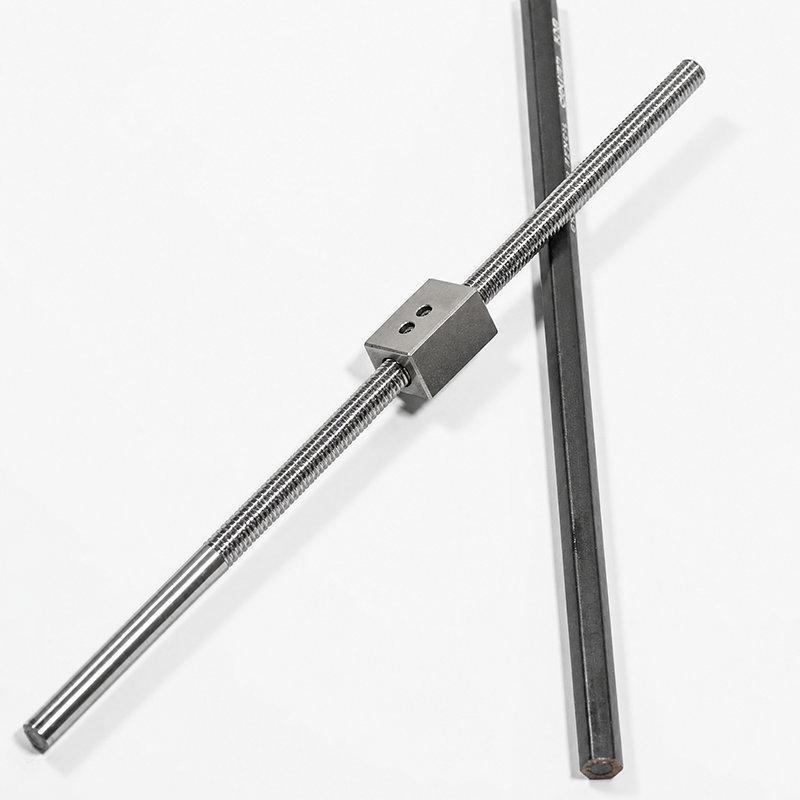
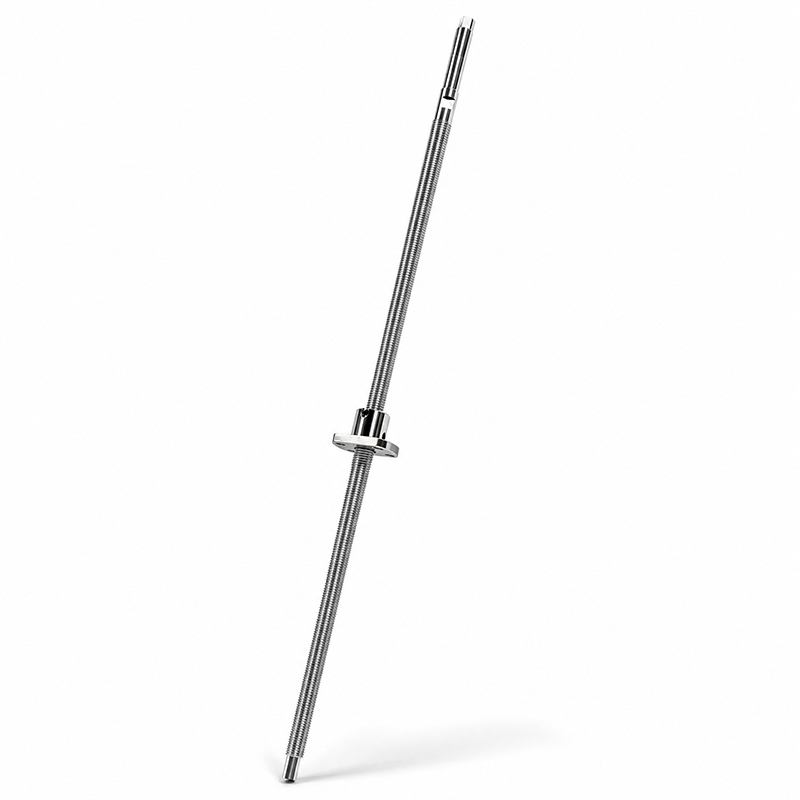
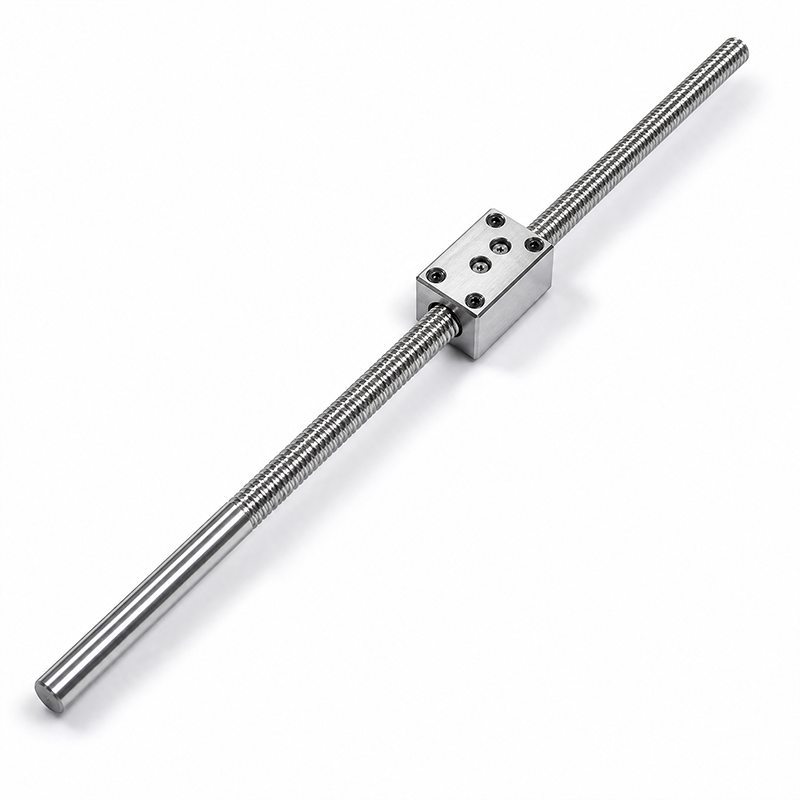
**Understanding Ball Screw Lubrication Needs** Ball screws convert rotational motion into precise linear motion using balls to minimize friction. However, friction still exists between moving parts and must be managed through proper lubrication. Without it, friction increases energy consumption, accelerates wear, reduces accuracy, and shortens the ball screw’s service life. Different ball screw types demand tailored lubrication methods to maintain optimal performance.
**Engineering Considerations for Lubrication** Lubrication reduces sliding friction by introducing a thin film between contacting surfaces, lowering wear and heat generation. In ball screws, the rolling elements (balls) replace sliding contact but still require lubrication to prevent metal-to-metal contact and corrosion. For ordinary linear guide screw rods, a specialized oil circuit with grease ports is necessary to deliver lubricant effectively, ensuring continuous coverage along the screw shaft. Conversely, screw guide wheels require direct grease application. The choice of lubricant—oil or grease—depends on operating speed and load. Grease is suitable for moderate speeds and loads, while oil is preferred in high-speed applications for better heat dissipation. Regular lubrication intervals, typically every 100 operating hours or monthly, help maintain consistent performance.
**Application Fit and Practical Tips** In precision machinery such as CNC or semiconductor equipment, maintaining minimal friction and backlash is crucial. Proper lubrication directly affects accuracy and smoothness of motion. Engineers should verify the ball screw type and consult manufacturer guidelines for lubrication schedules and lubricant specifications. Using the correct lubrication method extends ball screw life, enhances efficiency, and reduces downtime.
**What to Specify When Ordering or Maintaining Ball Screws** - Ball screw type and design (linear guide rod, guide wheel, etc.) - Recommended lubrication method (oil circuit, grease port, direct grease) - Lubricant type (high-quality lithium-based grease or suitable oil) - Lubrication frequency based on operating conditions - Maintenance guidelines to detect lubrication insufficiency (noise, wear, accuracy loss)
Proper lubrication strategy is a fundamental engineering practice to optimize ball screw efficiency and longevity by managing friction and wear.
🔗 Learn more: https://www.wyballscrew.com/about?utm_source=youtube&utm_medium=c_line&utm_campaign=video
Learn more: https://www.wyballscrew.com/about?utm_source=youtube&utm_medium=c_line&utm_campaign=video
Comments