
how to select a ball screw for automation equipment: precision and load capacity

Choosing the right ball screw for automation equipment presents a significant challenge for engineers, particularly when it comes to balancing precision and load capacity. The selection process can determine the performance, reliability, and total cost of ownership for the machinery involved. With various configurations and specifications available, it’s crucial to make informed decisions to ensure optimal system performance.
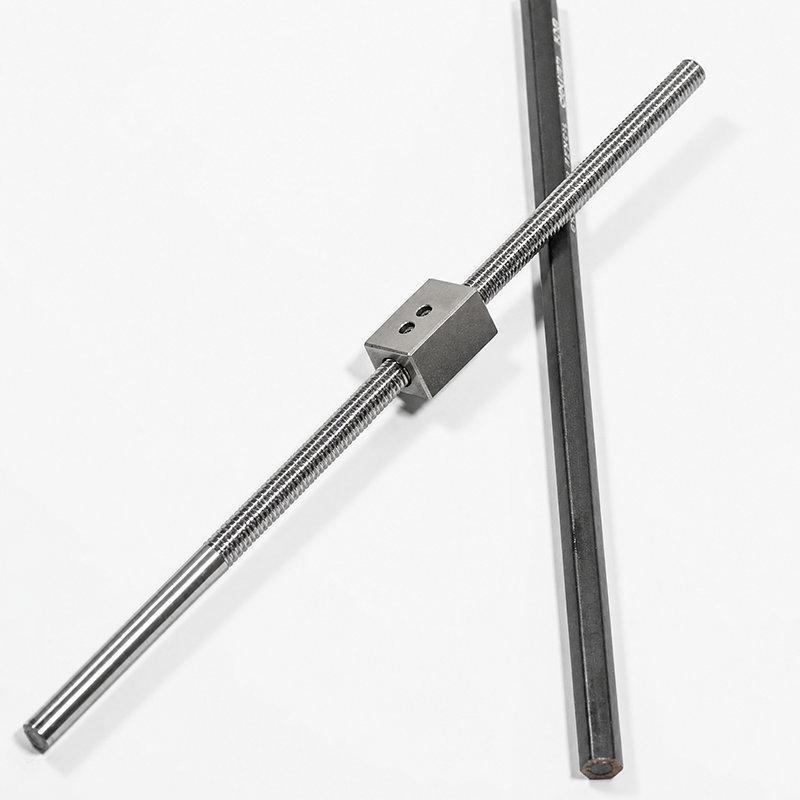
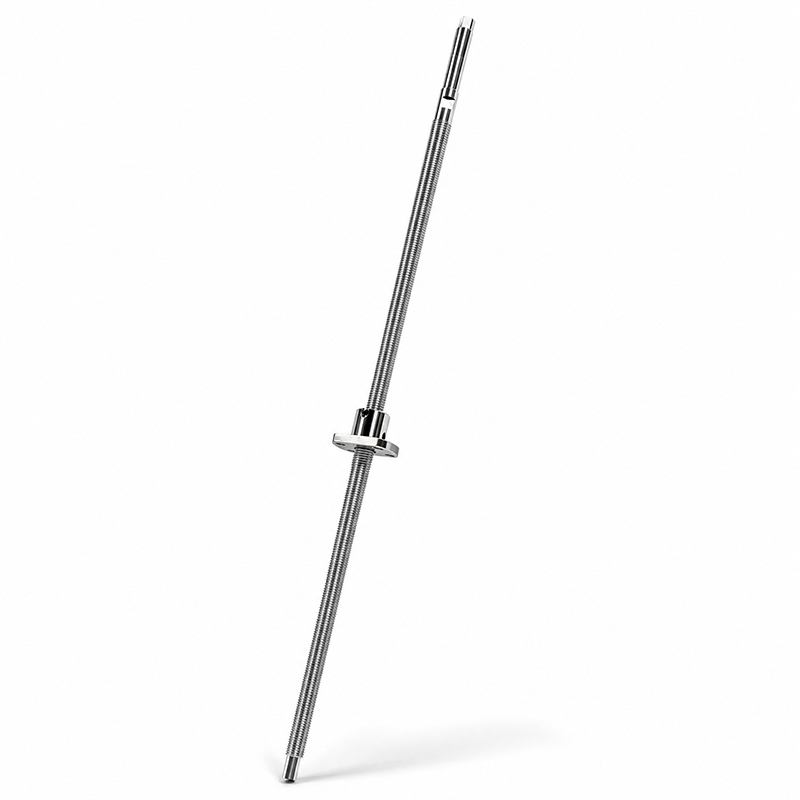
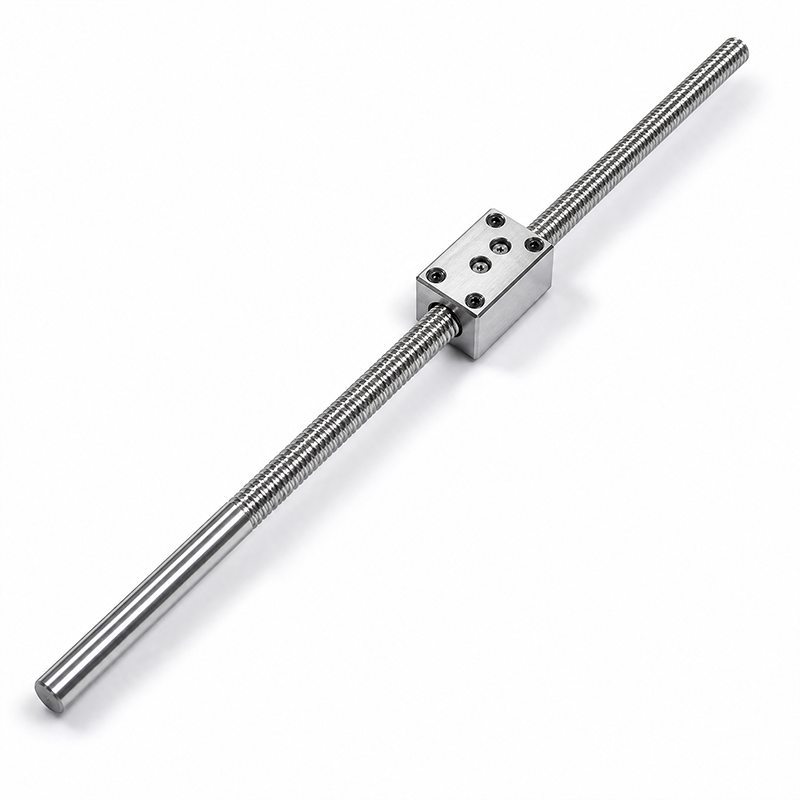
Ball screws are integral to the motion control in automation equipment. They convert rotary motion into linear motion with high efficiency and minimal friction. Understanding the mechanics behind ball screws, including factors like lead, diameter, and preload, is essential for selecting the right component for specific applications. Load capacity and precision must align with the operational requirements of the equipment, which may vary depending on the task at hand.
When selecting a ball screw for automation, consider the following technical factors:
Load Capacity: Evaluate the maximum load that the ball screw will experience during operation. This includes static and dynamic loads, which can influence the choice of materials and design.
Precision Requirements: Different applications will have varying precision needs. Determine the tolerance levels necessary for the task to guide your selection.
Ball Screw Type: Choose between ground and rolled ball screws based on precision and cost requirements. Ground ball screws offer higher accuracy, while rolled options provide a more economical solution.
Preload: Adjusting the preload can help eliminate bacequipment OEMsh, enhancing the precision of the ball screw. Understanding preload options is critical for optimizing performance.
Practical engineering guidance involves testing and validating the selected ball screw within the system. Simulation tools can provide insights into how the ball screw will perform under expected load conditions. Additionally, working with a reliable supplier, such as WY Precision, can ensure access to high-quality components and expert support throughout the selection process.
Applications for ball screws in automation are diverse, spanning industries from packaging to material handling. In robotics, for instance, precision ball screws enable accurate positioning of robotic arms, enhancing the efficiency of assembly lines. In the semiconductor industry, ball screws play a critical role in maintaining cleanliness and precision during wafer processing.
FAQ
1. What factors should I consider when selecting a ball screw? Consider load capacity, precision requirements, type of ball screw, and preload adjustments.
2. How do I determine the right preload for my application? Analyze the operational requirements and desired precision levels to adjust preload accordingly.
3. What are the differences between ground and rolled ball screws? Ground ball screws provide higher precision, while rolled options are typically more cost-effective.
4. Can I use a standard ball screw for specialized applications? While standard options may work, specialized applications often require specific designs to meet unique performance criteria.
Choosing the right ball screw is vital for the efficiency and reliability of automation equipment. By understanding the key factors involved and partnering with a proficient supplier like WY Precision, engineers can ensure optimal performance in their applications.
Comments