
how to select ball screws for automation equipment: key factors for performance

Choosing the right ball screw for automation equipment is crucial for achieving optimal performance, efficiency, and reliability. Engineers often face challenges in selecting ball screws that meet the specific requirements of their applications, such as load capacity, speed, and accuracy. This article will guide you through the critical factors to consider when selecting ball screws for automation applications.
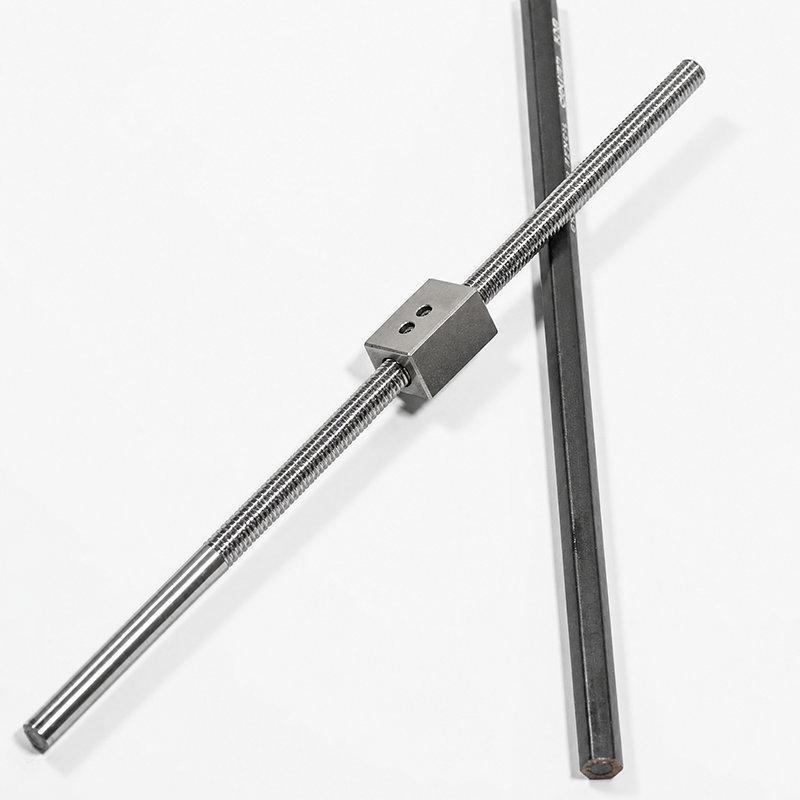
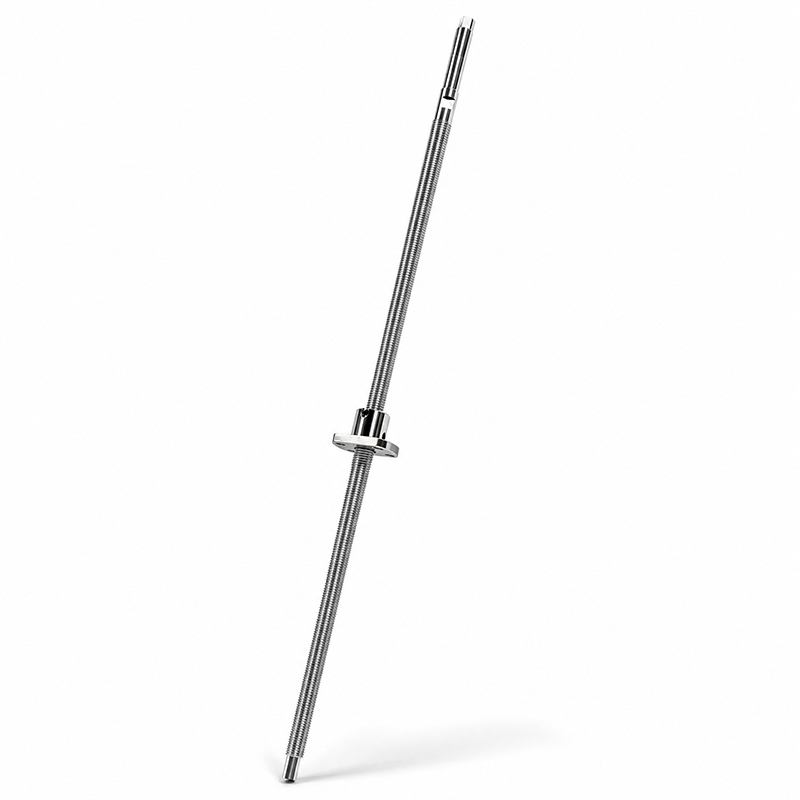
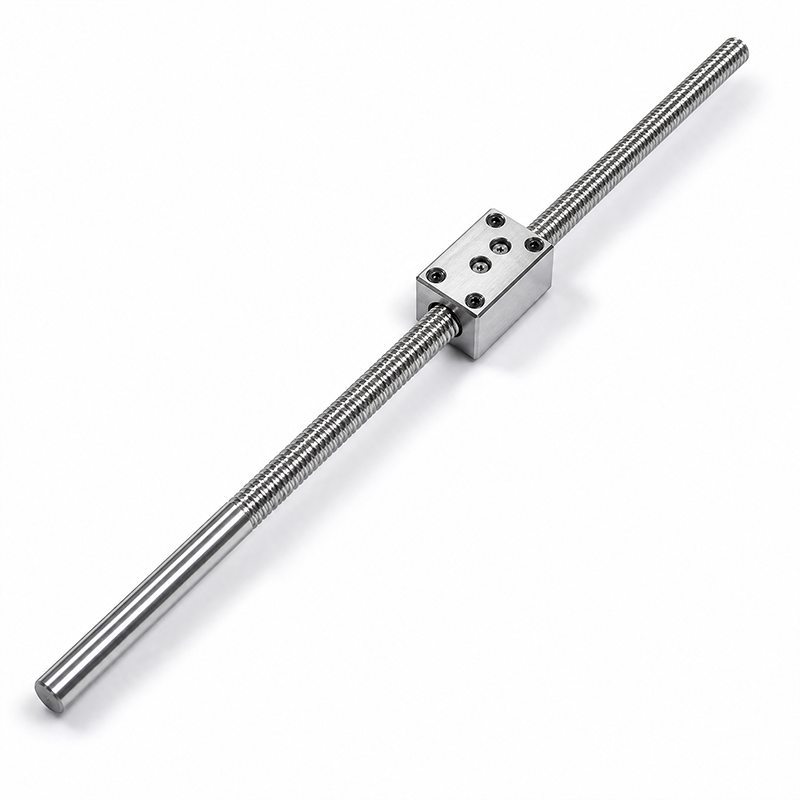
Ball screws are mechanical devices that convert rotational motion into linear motion with minimal friction. They consist of a screw shaft and a ball nut that contains recirculating balls, providing high efficiency and precision. When selecting ball screws for automation equipment, engineers must consider several factors, including load capacity, speed, accuracy, and environment.
Load capacity is a primary consideration, as it determines the maximum weight that the ball screw can handle without failure. It is essential to calculate the expected loads during operation, including static loads (the weight of the equipment) and dynamic loads (forces generated during movement). For automation applications, selecting a ball screw with an adequate safety margin can prevent premature wear and failure.
Speed is another critical factor. The speed at which the ball screw operates can significantly affect overall system performance. Engineers should evaluate the required speeds for their specific applications, as higher speeds may necessitate more complex designs and materials to ensure reliability and longevity.
Accuracy is essential in automation systems, particularly in applications where precise positioning is required. Ball screws are available in various accuracy grades, with options for ground and rolled ball screws. Ground ball screws typically offer higher accuracy and lower bacequipment OEMsh, making them suitable for precision tasks, while rolled ball screws provide cost-effective solutions for less demanding applications.
Environmental factors should not be overlooked when selecting ball screws. Automation equipment may operate in harsh conditions, including exposure to dust, moisture, and extreme temperatures. Choosing the right materials and protective coatings can enhance the durability and performance of ball screws in such environments.
In practical terms, engineers should conduct thorough calculations and simulations to ensure that the selected ball screw meets the application's requirements. This may involve using software tools to model the system and assess performance under various conditions.
WY Precision offers a wide range of ball screws specifically designed for automation equipment. Our products are engineered for high performance, durability, and precision, making them ideal for various applications in the automation sector.
FAQ
What are the key factors to consider when selecting a ball screw for automation equipment?
When selecting a ball screw for automation equipment, key factors include load capacity, speed requirements, accuracy, and environmental conditions.
How do I calculate the load capacity required for my application?
To calculate load capacity, consider both static and dynamic loads, including the weight of the equipment and forces exerted during movement.
What is the difference between ground and rolled ball screws?
Ground ball screws offer higher accuracy and lower bacequipment OEMsh, while rolled ball screws are typically more cost-effective and suitable for less demanding applications.
How can I ensure the longevity of my ball screws in harsh environments?
Selecting appropriate materials and protective coatings can enhance the durability of ball screws operating in harsh conditions.
For more information on selecting the right ball screws for your automation needs, contact WY Precision today.
Comments