
How to Select High-Load Ball Screws for Automation and Robotics Applications

In the realm of industrial automation and robotics, selecting the correct ball screw is critical for achieving optimal performance. Engineers often face the challenge of determining how to balance load capacity, speed, and durability, all while ensuring precision in operation.
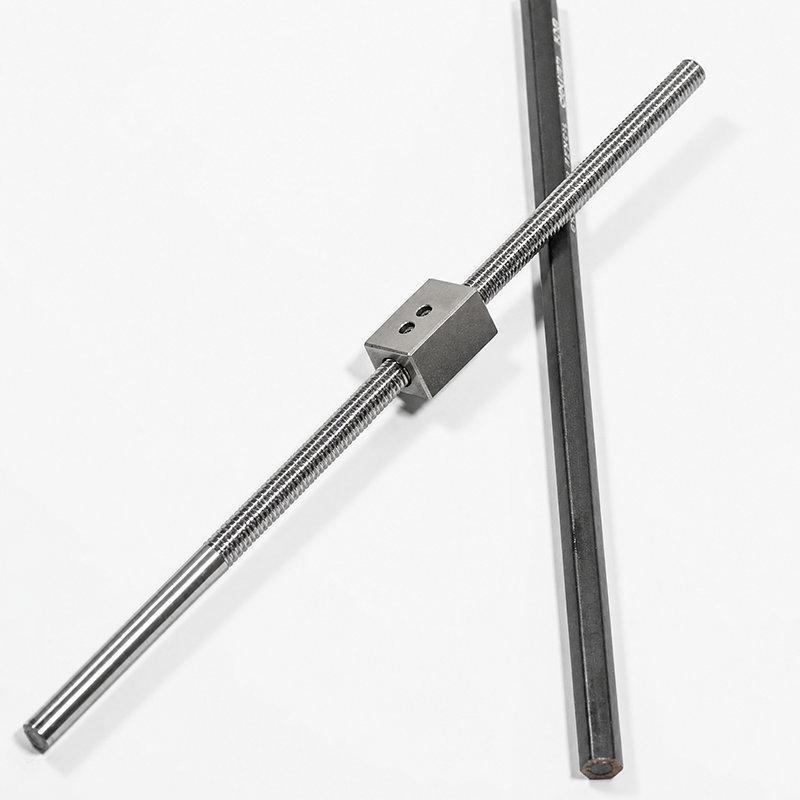
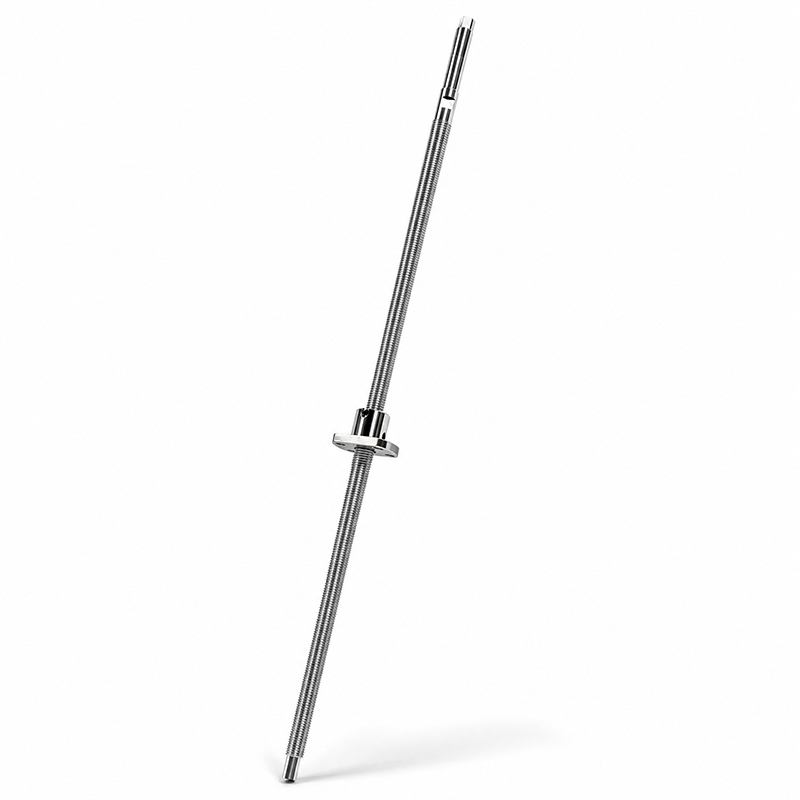
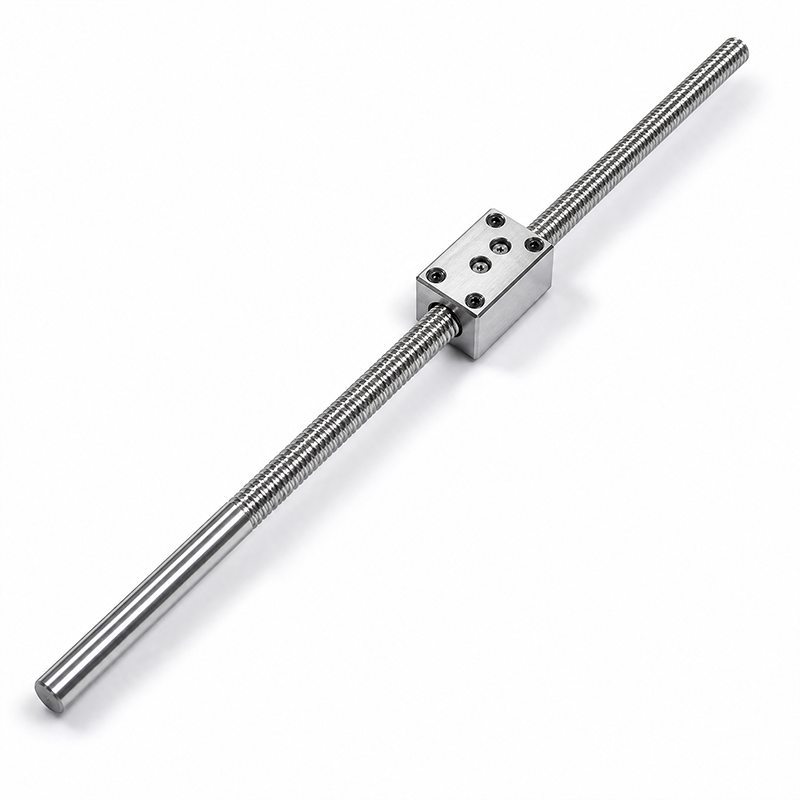
High-load ball screws are designed to handle significant forces while maintaining accuracy. The mechanism relies on a series of ball bearings that reduce friction between the screw and the nut, facilitating smooth linear motion. When selecting a high-load ball screw, it’s essential to consider factors such as the maximum load, the expected life cycle, and the application's specific speed requirements.
To ensure the best performance, engineers should conduct a thorough load calculation. This involves assessing the dynamic load rating (C) and the static load rating (C0) of the ball screw. The dynamic load rating indicates the maximum load the screw can endure while in motion, while the static load rating signifies the load it can withstand when stationary. Moreover, it's crucial to evaluate the ball screw's environmental conditions, such as temperature and contamination, which can affect service life.
Practical engineering guidance suggests using a safety factor—typically between 1.5 and 2.0—when calculating the required load capacity. This factor accounts for unexpected overloads and prolongs the life of the ball screw. Additionally, consider the preload level, which can help mitigate backlash and improve precision in applications requiring high accuracy.
Applications for high-load ball screws are diverse, ranging from CNC machining centers to robotic arms in manufacturing. For instance, in CNC machines, these ball screws facilitate precise movements for cutting and shaping materials, while in robotics, they contribute to the accurate positioning of robotic components.
WY Precision offers a range of high-load ball screw solutions tailored for automation and robotics. Our engineering team is available to assist in selecting the right ball screw based on your specific application requirements, ensuring you achieve the desired performance and efficiency.
FAQ
What factors should I consider when selecting a high-load ball screw?
Consider the dynamic and static load ratings, the expected life cycle, environmental conditions, and the safety factor.
How does preload affect ball screw performance?
Preload helps to reduce backlash and increases the rigidity of the ball screw assembly, enhancing precision in applications.
Can ball screws be used in high-speed applications?
Yes, high-load ball screws can be designed to operate effectively at high speeds, provided they are properly lubricated and maintained.
What applications benefit most from high-load ball screws?
Applications in CNC machining, robotics, and heavy-duty automated systems benefit significantly from high-load ball screws.
For expert guidance on selecting the right high-load ball screws for your automation and robotics needs, contact WY Precision today.
Comments