
How to Select High-Precision Ball Screws for CNC Applications

When it comes to CNC applications, selecting the right ball screw can significantly impact the performance and accuracy of your machinery. Engineers often face the challenge of balancing load capacity, speed, and precision while ensuring reliability in their designs. Failure to choose the appropriate ball screw can lead to increased wear, reduced efficiency, and higher operational costs.
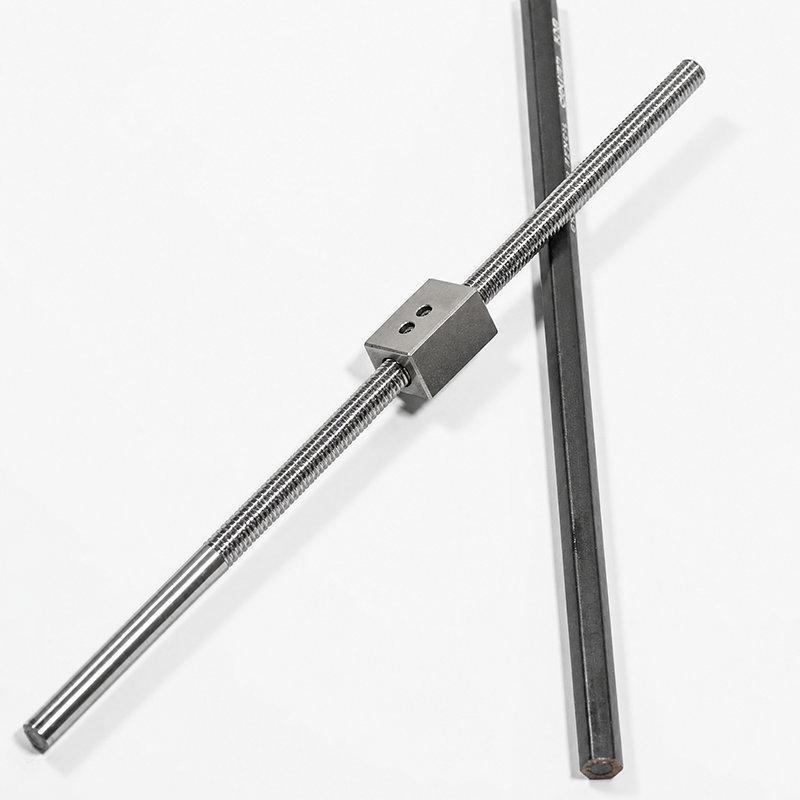
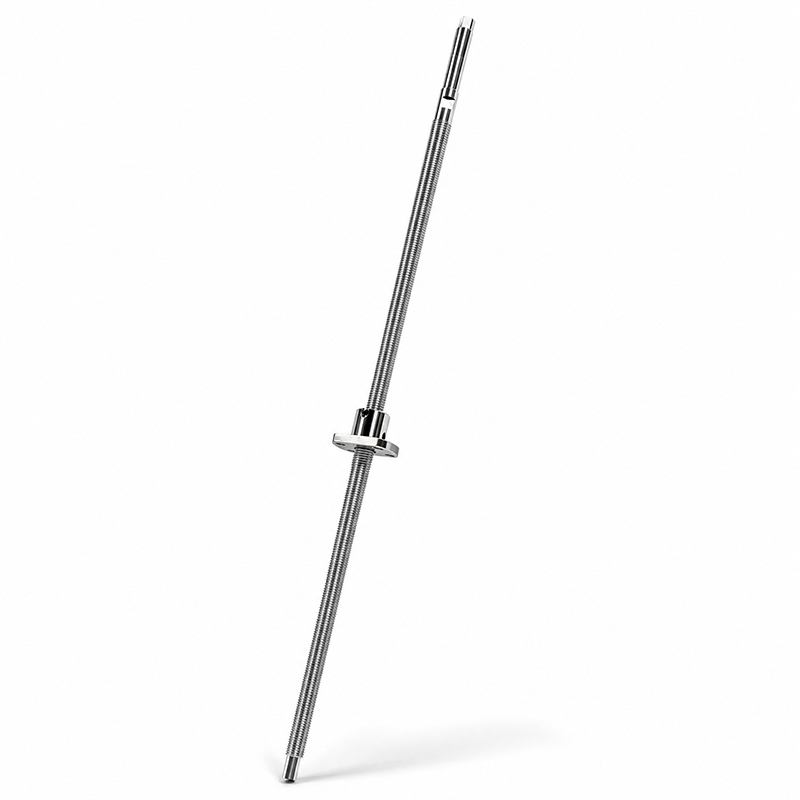
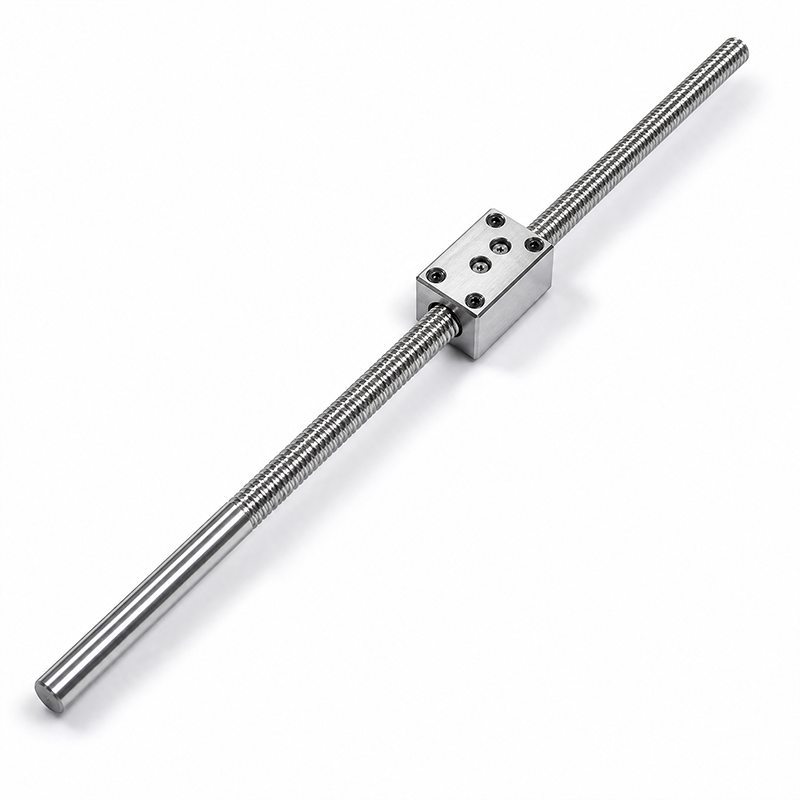
High-precision ball screws are designed to minimize friction and enhance linear motion, making them ideal for CNC applications. The primary mechanism behind these screws involves the use of ball bearings that circulate within a threaded shaft, converting rotary motion into linear displacement. This design not only improves efficiency but also allows for higher accuracy and repeatability in motion control.
When selecting a ball screw for CNC machines, consider the following technical factors:
Load Capacity: Evaluate the maximum load your application will impose on the ball screw. High-precision ball screws are available in various load ratings, allowing for selection based on specific requirements.
Lead and Pitch: The lead of the screw determines the distance the nut travels per revolution. A finer lead offers better resolution, while a coarser lead provides faster movement. Analyze your application's speed and precision requirements to make the right choice.
Accuracy: Look for ball screws with tight tolerances for improved accuracy. Manufacturers often provide specifications such as C5 or C7 grades that indicate precision levels.
Preload: Adjusting preload can help eliminate backlash in your system, enhancing the responsiveness and accuracy of your CNC machine.
In practical terms, a typical CNC application may require a ball screw with a load capacity of at least 500 N, a lead of 5 mm, and an accuracy grade of C5. Collaborating with a reputable supplier like WY Precision ensures access to high-quality ball screws that meet stringent industry standards.
Applications of high-precision ball screws extend beyond CNC machines. They are also utilized in robotics, medical devices, and semiconductor equipment, where precision and reliability are paramount. By integrating these ball screws into your systems, you can achieve enhanced performance and durability.
FAQs
What is the difference between ground and rolled ball screws? Ground ball screws are manufactured with higher precision and tighter tolerances compared to rolled ball screws, making them suitable for critical applications.
How do I determine the right preload for my ball screw? The preload level should be selected based on your application’s requirements for backlash reduction and stiffness. It is advisable to consult with an engineering partner for optimal settings.
Are miniature ball screws available for compact applications? Yes, miniature ball screws are available and are commonly used in medical and automation applications where space is a constraint.
What maintenance do high-precision ball screws require? Regular lubrication and inspection for wear are crucial for maintaining the performance and longevity of high-precision ball screws.
If you are looking to enhance the performance of your CNC machines and other applications through high-precision ball screws, reach out to WY Precision today for expert guidance and quality products.
Comments