
how to select the right ball screw for automation applications

When choosing a ball screw for automation applications, engineers often face a critical challenge: balancing load capacity, speed, and precision. The right selection can significantly impact the efficiency and reliability of the equipment in which it is used.
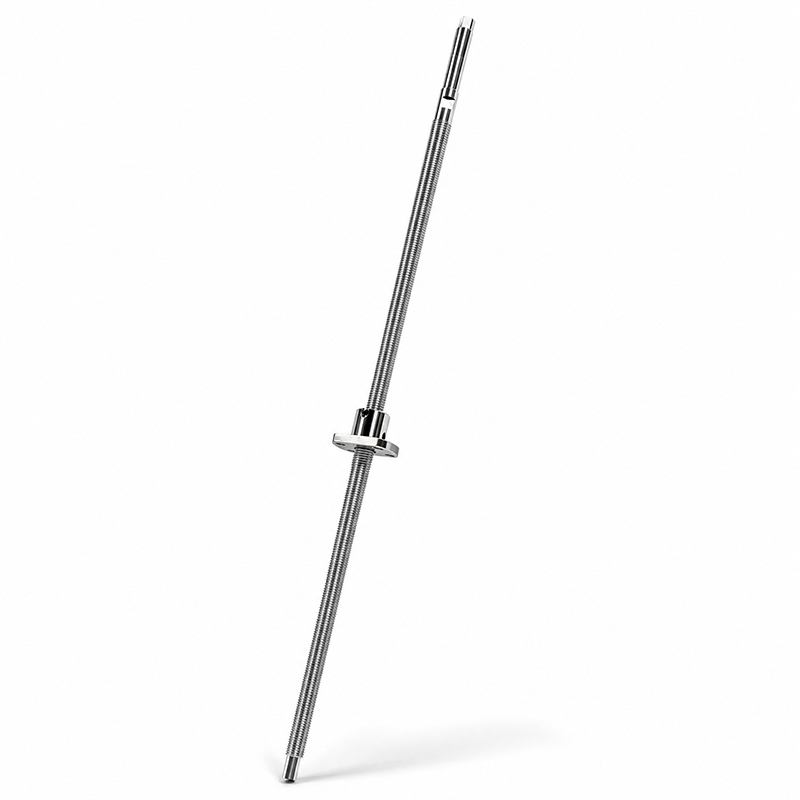
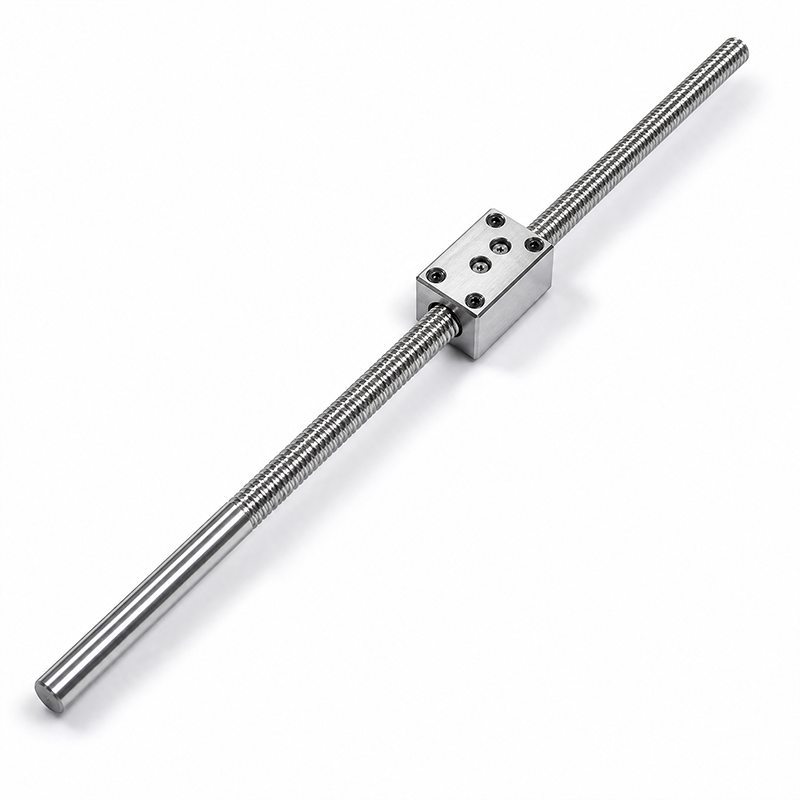
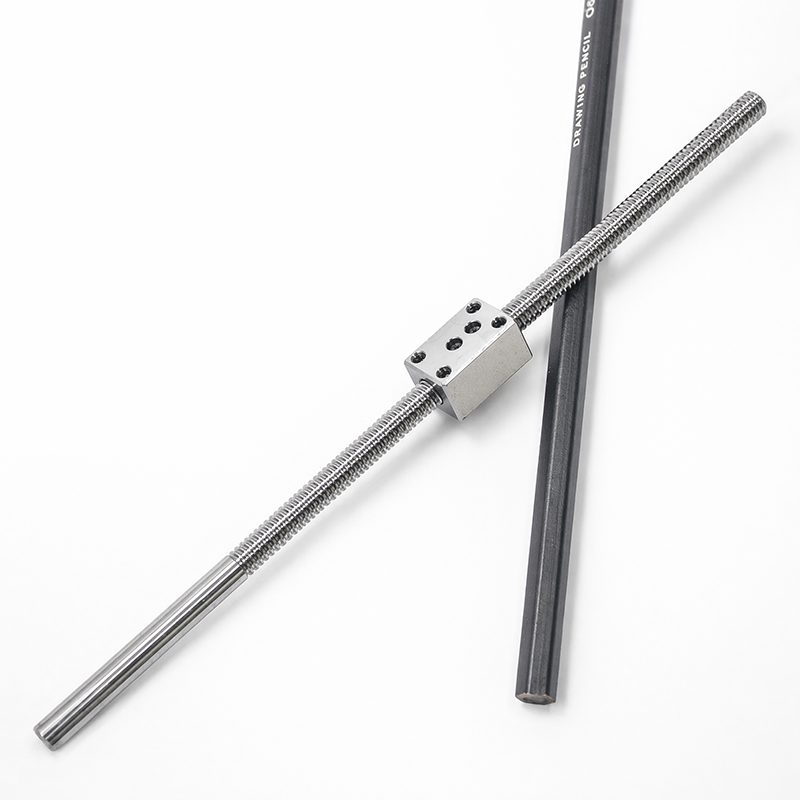
Ball screws are designed to convert rotational motion into linear motion with high efficiency and precision. They achieve this through the ball recirculation mechanism, which minimizes friction and wear. However, selecting the appropriate ball screw involves considering several factors, including load requirements, accuracy, and environmental conditions.
Firstly, engineers must determine the operational load that the ball screw will support. This includes both dynamic loads during operation and static loads when the system is at rest. Properly calculating these loads ensures that the ball screw can handle the stresses without failure.
Another critical aspect is the speed at which the ball screw will operate. Different ball screw designs can accommodate varying speeds, and engineers should select one that matches the application's speed requirements while maintaining precision. For instance, high-load ball screws are often used in applications requiring rapid movement and precise positioning.
Additionally, the environment plays a significant role in ball screw selection. Factors such as temperature, humidity, and potential exposure to contaminants can affect performance and longevity. In harsh environments, sealed or lubricated ball screws may be necessary to prevent degradation.
Once these factors are evaluated, engineers can consult with suppliers like WY Precision to find the best-fit products. With a range of options, including ground and rolled ball screws, WY Precision can assist in selecting a ball screw that meets specific operational needs.
Applications of ball screws in automation are vast, including robotics, conveyor systems, and CNC machinery. Each application may have unique requirements, making the selection process even more critical. For example, in CNC machines, high accuracy is paramount, whereas in robotics, speed and load capacity may take precedence.
FAQ
1. What is the maximum load capacity for standard ball screws?
The load capacity varies widely based on the ball screw's design, material, and size. Consult with suppliers for specific ratings.
2. How can I reduce bacequipment OEMsh in my ball screw system?
Adjusting the preload on the ball screw can help minimize bacequipment OEMsh and improve positional accuracy.
3. Are there maintenance requirements for ball screws?
Regular lubrication and inspection for wear are essential to maintain performance and extend service life.
4. Can ball screws be used in high-temperature environments?
Yes, but it is crucial to choose materials and lubricants that can withstand elevated temperatures.
In conclusion, selecting the right ball screw for automation applications involves careful consideration of load, speed, and environmental factors. Partnering with experienced suppliers like WY Precision can streamline this process and ensure optimal performance in demanding applications.
Comments